
Most people don’t fail to make money online because they’re lazy or unlucky. They fail because they’re overwhelmed. Every platform promises the best ways to make money online for beginners. Every video claims speed and get rich quick. Every guru insists this method is different.
For a beginner, all that noise collapses into one quiet conclusion: I don’t know where to start.
This article exists to fix that.
Not with shortcuts. Not with fantasies. But with grounded, repeatable ways beginners actually earn online — using models that reward learning, consistency, and real-world usefulness. No experience required. No hype tolerated.
Why So Many Beginners Fail to Make money Online
The internet doesn’t punish beginners for being new. It punishes them for being scattered.
Most people bounce from idea to idea, convinced the next one will finally feel “right.” Dropshipping today. Affiliate marketing tomorrow. AI services next week. Nothing sticks long enough to produce momentum.
Another common trap is mistaking preparation for progress. Perfecting a logo. Watching ten hours of tutorials. Building systems that never touch a real customer. None of that generates income.
Money online comes from one thing only: solving a problem someone already wants solved.
What “Beginner-Friendly” Actually Means Now
Beginner-friendly doesn’t mean easy. It means forgiving.
The best beginner paths share three traits:
They don’t require upfront money.
They give fast feedback — good or bad.
They allow your skills to compound instead of reset.
If a method hides results behind months of uncertainty, most beginners quit before they learn enough to win. Early signals matter more than early profits.

The Best Ways to Make Money Online for Beginners
These methods work because they align with real demand — not trends.
Freelancing: The Fastest Reality Check
Freelancing is often the first honest win beginners experience online.
You don’t need rare skills. You need useful ones. Writing emails. Editing content. Managing inboxes. Creating simple designs. Handling research or admin work.
Businesses already pay for these things every day.
The reason freelancing works so well early on is simple: effort connects directly to money. You learn what clients want by interacting with them — not by guessing.
It’s not passive. It’s not glamorous. But it builds confidence, cash flow, and clarity faster than almost anything else.

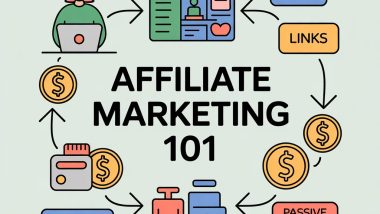
Affiliate Marketing: Selling Without Owning Anything
Affiliate marketing works when trust comes first and reveals the best ways to make money online for beginners and advanced affiliates.
Beginners often struggle because they promote too broadly. The winners focus narrowly: one problem, one audience, one type of solution.
Reviews. Comparisons. “Best for beginners” guides. These formats work because people are already searching with buying intent.
Traffic compounds slowly at first, then faster. The real value appears months later, when content keeps earning without daily effort.
Simple Digital Products: Small Ideas, Real Money
You don’t need to create a massive course to sell online.
Beginners succeed with small digital products that solve one clear problem: templates, checklists, planners, prompt packs, swipe files.
What matters isn’t complexity — it’s relevance.
When a product saves time, reduces confusion, or removes friction, people pay. Platforms like Gumroad and MAP remove technical barriers so beginners can focus on usefulness instead of infrastructure.
Content Creation: Turning Attention Into Assets
Content creation isn’t about going viral. It’s about being helpful in public.
Blogs capture search intent. YouTube captures curiosity. Short-form captures emotion and relatability.
Beginners who treat content like an asset — something that compounds instead of expires — eventually unlock multiple income streams: ads, affiliates, products, sponsorships.
It’s slower upfront. But it builds leverage most beginners underestimate.
AI-Assisted Services: Skill Amplification, Not Replacement
AI didn’t eliminate beginner opportunities. It lowered the barrier to entry.
People don’t pay for AI tools. They pay for outcomes.
Beginners use AI to deliver services faster: content editing, chatbot setup, caption writing, resume optimization. The judgment still matters. The tool just removes friction.
Those who learn how to apply AI outperform those who merely use it.
Microtasks and Short-Term Remote Work
Microtasks won’t make you rich — but they can make you confident.
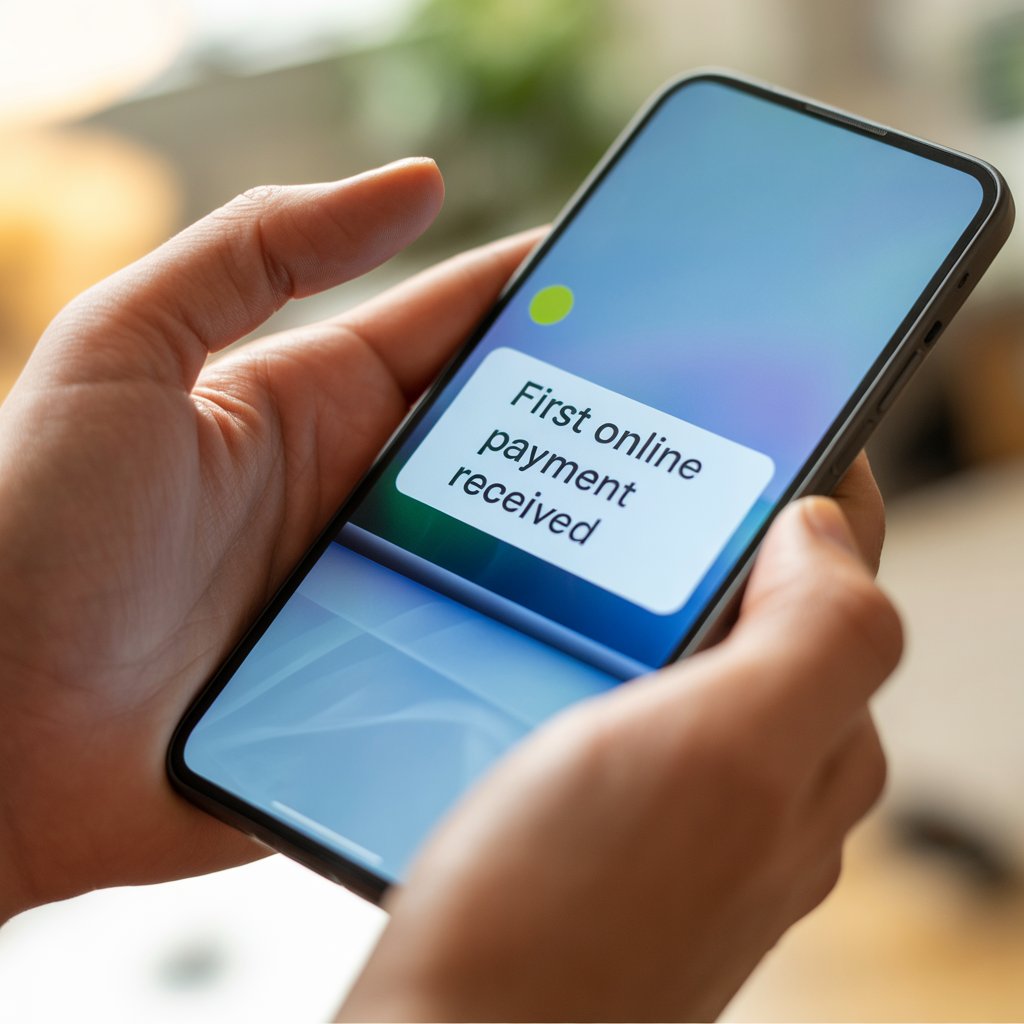
They offer structure, deadlines, and fast payouts. For beginners, that first proof of online income matters psychologically more than the amount.
Many people use microtasks as a bridge, not a destination.
Online Reselling: Old Logic, New Platforms
Reselling works because economics haven’t changed.
Buy something undervalued. Sell it where demand is higher.
Whether physical products or digital assets, beginners learn pricing, demand, and margins quickly. Feedback is immediate. Mistakes are visible.
It’s one of the clearest ways to understand how online markets actually behave.
Realistic Income Expectations to Make Money Online
Honesty beats motivation.
The first month is usually quiet. Learning dominates earning.
By three months, focused beginners often see consistent small wins.
By one year, those who stayed with one model often replace or supplement full-time income.
Online income grows through compounding skills, not sudden breakthroughs.
Mistakes That Quietly Kill Progress
Switching paths too often
Waiting for confidence instead of feedback
Avoiding outreach and visibility
Consuming instead of executing
Momentum comes from imperfect action repeated long enough to learn.
Choosing the Right Path for You
Ask yourself:
Do I want faster feedback or long-term leverage?
Do I prefer working with people or systems?
Am I willing to publish, pitch, or promote consistently?
The best method isn’t the most popular one. It’s the one you’ll still be working on when results finally arrive.

Products / Tools / Resources
- Upwork / Fiverr — beginner-friendly freelancing platforms
- Gumroad — sell simple digital products with zero setup
- Notion / Google Docs — create and package templates
- Canva — design without design experience
- ChatGPT & AI tools — accelerate research, drafts, and workflows
- Keyword research tools — identify demand before creating content
- Affiliate marketing resource — #1 recommendation